“primary processing” search results (400)

Jamaica Blue Mountain Coffee Manor Valenford Manor introduces St. Thomas producing area
Coffee is the main cash crop in Jamaica, and coffee farms are all over the island. But only in the four administrative regions of St. Andrew, Portland, St. Thomas and St. Mary, certified by the Jamaica Coffee Industry Council (Coffee Industry Board of Jamaica,CIB), coffee grown in the Blue Mountains above 2000 feet above sea level is allowed to be called Tooth Buy.
2016-07-11 Jamaica Blue Mountain Coffee Manor Warren Ford introduction Thomas producing area
Yunnan Pu'er coffee is popular abroad.
After years of accumulation and development, the quality of Yunnan coffee has quietly risen in the international market, and has become the high-quality coffee favored by the international market after Blue Mountain Coffee. Because of this outstanding performance of Yunnan Coffee, the international coffee giant Starbucks Coffee signed a joint venture with Yunnan Aiyi Group on February 6, marking the beginning of Yunnan Coffee to the top in the world.
2014-04-27 Yunnan Pu'er Coffee overseas over the years accumulation Development
Introduction of Jamaica Blue Mountain Coffee Atlanta Coffee St. Thomas
The Jamaican Coffee Industry Committee was established in June 1950 to exercise the authority of the government to strictly regulate the cultivation and processing of coffee in order to ensure and further improve the quality of Jamaican coffee. The oldest Blue Mountain Coffee Manor-the oldest Blue Mountain Coffee Manor in Valenford-the Wallenford Jamaica Coffee Industry Committee has 100% Jamaican Blue Mountain Coffee and 100% teeth.
2016-07-13 Jamaica Blue Mountain Coffee introduction Atlanta Thomas producing area
What does coffee fruit look like?
What we see every day is roasted coffee beans, and at most we have seen yellow-green coffee beans. That coffee bean is the most fruit. What is it like at first? What we usually see is a bit like cherries, so we sometimes call coffee cherries. Generally speaking, each coffee fruit contains two coffee beans. The beans are covered with pericarp, pulp and pectin.
2014-07-02 Coffee cherries coffee trees coffee beans
What does coffee fruit look like?
What we see every day is roasted coffee beans, and at most we have seen yellow-green coffee beans. That coffee bean is the most fruit. What is it like at first? What we usually see is a bit like cherries, so we sometimes call coffee cherries. Generally speaking, each coffee fruit contains two coffee beans. The beans are covered with pericarp, pulp and pectin.
2015-06-04 Coffee fruit exactly what is looks we everyday see all roast
Yunnan boutique coffee the latest news of Yunnan coffee
Yunnan small-grain coffee, Rubiaceae, coffee genus, the planting area is mainly distributed in Lincang, Baoshan, Simao, Xishuangbanna, Dehong and other states. Small grains of coffee are native to Ethiopia or Arabian Peninsula. It is cultivated in Fujian, Guangdong, Hainan, Guangxi, Sichuan, Guizhou and Yunnan. Small-grain coffee is suitable to grow in the mountains with an altitude of 800 to 1800 meters above sea level. If the altitude is too high, it will taste sour, and if it is too low, it will taste sour.
2015-11-26 Yunnan boutique coffee the latest news small grain grass plant area main
What exactly does the coffee bean coffee fruit look like?
What we see every day are roasted coffee beans, at most we have seen yellow-green raw coffee beans, which is the most kind of fruit. What did it look like at first? What we usually see is a bit like cherries, so we sometimes call coffee fruits coffee cherries. Generally speaking, there are two coffee beans in each coffee fruit, which are covered with exocarp, pulp and pectin.
2014-09-25 Coffee bean coffee fruit
Yunnan small grain coffee grows on a mountain with an altitude of 800 to 1800 meters above sea level.
Nowadays, most people choose foreign coffee to drink coffee, but you may not know that there are also high-quality coffee producing areas in China, such as Yunnan small-grain coffee. I believe you will fall in love with Yunnan small-grain coffee. Small-grain coffee is suitable for growing in the mountains at an altitude of 800 to 1800 meters. If the altitude is too high, it will taste sour, and if it is too low, it will taste bitter. So most of the small grains of coffee are planted at 11 above sea level.
2015-10-22 Yunnan small grains coffee growing in altitude 800 1800 m above ground now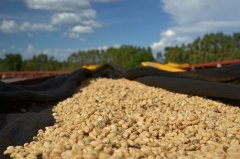
Coffee Bean Processing Method Introduction Sunlight Coffee Bean Processing Method Ethiopia Sunlight Ye Jia Xue Fei
Solarization is a traditional method of primary processing of coffee beans, and ancient coffee growing countries such as Ethiopia and Yemen still use solarization almost exclusively for raw beans. Sun-drying begins by spreading tank-identified beans, ripe or semi-ripe, on a drying ground. The exact time depends on local climatic conditions, and generally takes two weeks to four weeks.
2016-04-25 Coffee beans green beans processing profile sun fasa bia yega sherry
What exactly does the coffee fruit look like?
What we see every day are roasted coffee beans, at most we have seen yellow-green raw coffee beans, which is the most kind of fruit. What did it look like at first? What we usually see is a bit like cherries, so we sometimes call coffee fruits coffee cherries. Generally speaking, there are two coffee beans in each coffee fruit, which are covered with exocarp, pulp and pectin.
2015-09-15 Coffee fruit what is it what it looks like what we every day what we see is roasting.
Panamanian Jadeite Manor Rosa Coffee Flavor description characteristics of Grinding degree introduction of varieties
[country of origin]: Panama [producing area]: Boquete [altitude]: 1550-1700 m [Manor]: jadeite Manor [treatment]: Wet-Process Style washing [Grade]: SHB [large]
2016-10-11 Panama Jade Manor Rose Summer Coffee Flavor description Grinding characteristics varieties
Coffee common sense what does the fruit of coffee look like?
What we see every day are roasted coffee beans, at most we have seen yellow-green raw coffee beans, which is the most kind of fruit. What did it look like at first? What we usually see is a bit like cherries, so we sometimes call coffee fruits coffee cherries. Generally speaking, there are two coffee beans in each coffee fruit, which are covered with exocarp, pulp and pectin.
2014-11-12 Coffee knowledge coffee common sense coffee fruit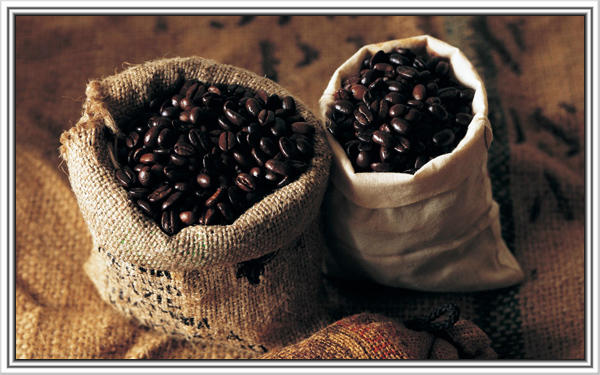
Yunnan Coffee Trading Center launched Yunnan Pu'er Coffee Trading Center Coffee spot Trading Coffee
Yunnan Coffee Trading Center launched China News Service, Yunnan Pu'er, January 12 (Miao Chao) Yunnan Coffee Trading Center launched in Pu'er City on the 12th and will realize spot trading of bulk raw coffee and boutique coffee around the world. Yunnan Coffee Trading Center includes coffee trading headquarters, boutique processing park, three coffee collection centers and coffee delivery warehouses. The trading center adopts electronic information technology.
2016-03-01 Yunnan coffee trading center online Pu'er spot trading Jiao
Introduction of coffee culture in Serbia exquisite coffee shop display
A century ago, the Turks ruled Serbia for many years. Now the Turks are gone, but the Turkish coffee is left. When Serbs invite others, they usually say, "come to my house for a cup of coffee." Serbian cafes are all over the streets. Serbia has a small population, but cafes never close early and have visitors seven days a week. In Serbia, Pin
2015-04-09 Serbia Coffee Culture introduction exquisite Coffee Shop Show 1 Century Earth
Yunnan will establish a product quality traceability system for coffee
Recently, in Yunnan Province, China's largest coffee producing area, local coffee companies are "registered permanent residence" for coffee bases in an attempt to establish a traceability system for product quality. by scanning the bar code, you can find out the planting area, altitude, grower, primary processing factory and so on of each cup of coffee.
2014-05-27 Coffee News Yunnan Coffee Chinese Coffee
Processing of coffee beans before grinding
First, peeling: the peel and most of the pulp are removed mechanically. Second, fermentation third, drying fourth, roasting: coffee raw beans can release the special aroma of coffee through roasting. Each coffee bean contains its aroma, sour taste, sweetness and bitterness. How to release it incisively and vividly depends on the heat of its baking, from the insipid raw beans to the aftertaste of the cup.
2014-07-07 Coffee knowledge coffee grinding coffee processing coffee encyclopedia
Introduction to Peruvian Organic Coffee processing methods, Baking degree, characteristics of Fine Coffee
Peru is located in western South America, with a coastline of 2254 kilometers. The Andes runs from north to south, and the mountains account for 1% of the country's area. it belongs to the tropical desert region with a dry and mild climate. Peruvian coffee is mostly grown at the foot of the Andes, where it is rich in traditional Central American top coffee beans. Peruvian coffee beans grown in the central part of the country and Cusco in the south
2016-09-24 Peru organic coffee treatment way baking degree producing area characteristics boutique
Coffee technology Coffee bean processing before grinding
First, peeling: the peel and most of the pulp are removed mechanically. Second, fermentation third, drying fourth, roasting: coffee raw beans can release the special aroma of coffee through roasting. Each coffee bean contains its aroma, sour taste, sweetness and bitterness. How to release it incisively and vividly depends on the heat of its baking, from the insipid raw beans to the aftertaste of the cup.
2014-10-22 Coffee knowledge coffee technology coffee grinding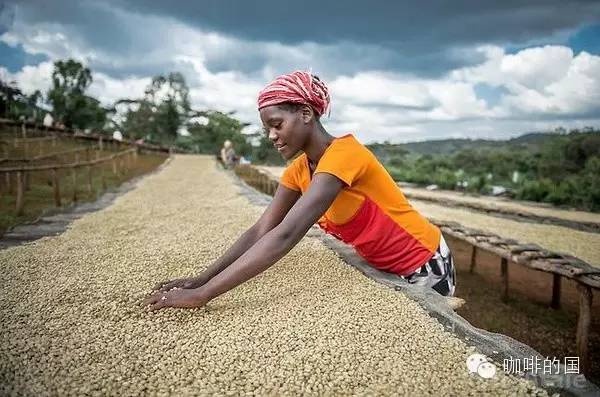
What is Coffee Solar Coffee treatment method Coffee Bean Coffee treatment
Tanning is a traditional method for the initial processing of coffee beans, and at present, almost all coffee-growing countries such as Ethiopia and Yemen still use solarization to treat raw beans. Sun treatment will first identify sunken beans in the sink, that is, ripe or half-ripe beans are spread in the drying farm for natural drying. The specific time depends on the local climatic conditions, which usually takes two to four weeks.
2016-04-25 What coffee sun treatment way coffee beans law tradition
Comparison between new beans and old beans when baking
New beans are difficult to bake because of their high water content and difficult heat transfer. After baking, the new bean feels active, with natural flower fragrance, high-quality sour taste, high water content, rich chlorogenic acid, relatively bright and vigorous taste; old bean feels calm, mellow and dense, less water content, light and fine expansion, soft taste.
2014-08-21 Coffee knowledge roasted coffee new beans old beans coffee encyclopedia